




Back
1 min read
Fireside Chat: How FinServ Companies Optimize Cost with AI for Prod
Written by
 Manveer SahotaProduct Marketing
 Mayank AgarwalFounder and CTO
On Demand Event | Duration: 36 minutes | Originally aired: January 22, 2026
For Financial Services companies, managing spend, cost, and ROI is the basis of their business.
While the cost of running, maintaining, and managing the production systems that power their banking applications balloons, ROI has not kept up. Observability tools proliferate, code multiplies, and the team size to manage it all expands—without resulting in productivity, velocity, or economic gains.
AI is changing that, and this discussion explores how FinServ companies are deploying it across their stack.
Featured guests include:
- Jeremy Rishel: CTO, SoFi
- Nitesh Kumar: VP of Engineering, Affirm
- Sandeep Contractor: Managing Director, Infra, MSCI
- Mayank Agarwal: CTO, Resolve AI
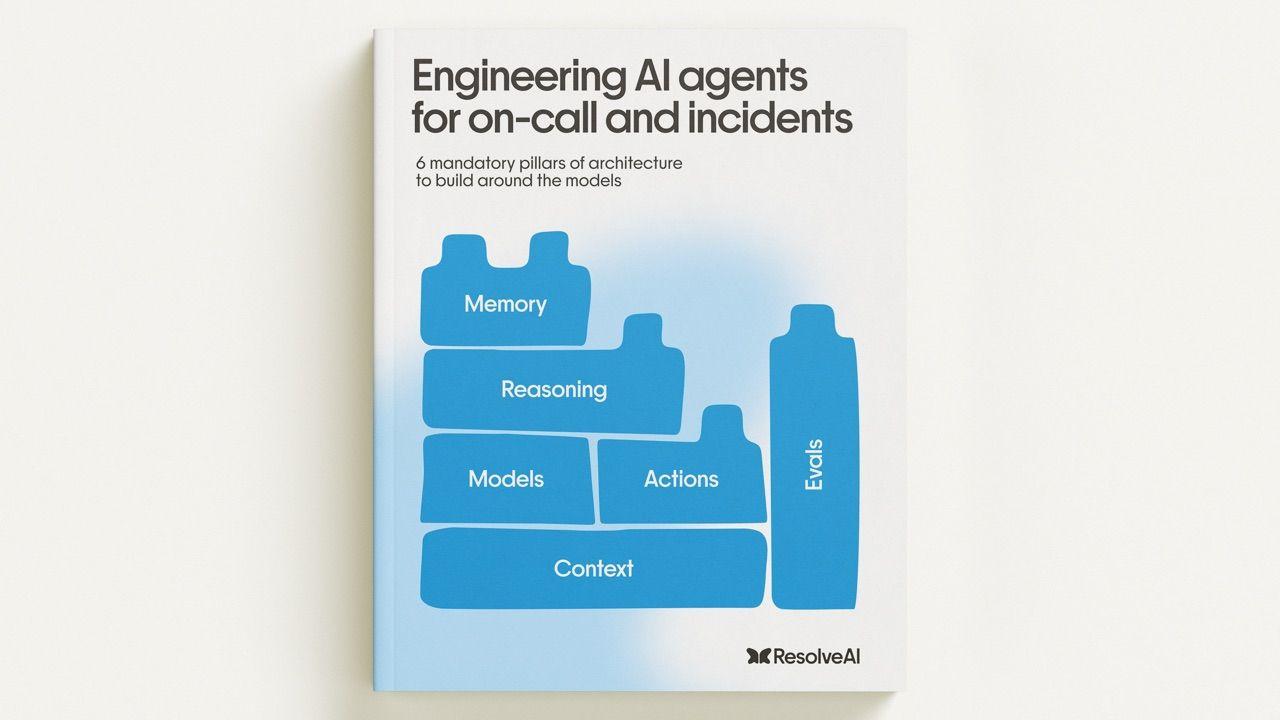
To learn more about how Financial Services companies are making cost and productivity gains by moving beyond the IDE, read the AI ROI Playbook for Financial Services.
AI for prod ebook
Learn how top engineering teams use AI to run production.
See the agents that run and fix software in action
Join our engineering leads for "Behind the Build", a webinar series deep-dive into how we built agents that run software.