Loading the page…

Machines on-call for humans
Machines on-call for humans

Enable AI systems to safely and reliably operate the world's production software.
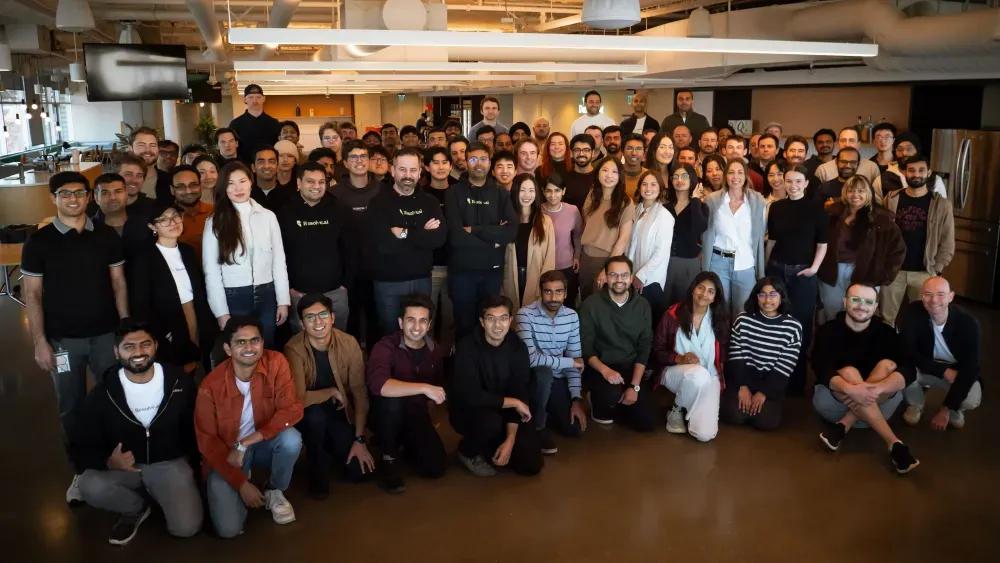
Resolve AI Labs brings together researchers from leading AI labs with engineers who have spent decades building observability, distributed systems, and production infrastructure.

Advancing reasoning, post-training, reinforcement learning, evaluation, and agent systems.

Deep expertise across observability, distributed systems, infrastructure, and production operations, including the co-creators of OpenTelemetry.

Grounding the work in the realities, constraints, and failure modes of operating software at scale.
The world’s production software is distributed, stateful, and constantly evolving, with fragmented evidence and few clean answers. Operating it to a higher standard of reliability requires AI to reason across causality and time, investigate large environments, adapt as systems change, and take safe action with increasing autonomy. That means sustaining context across hundreds of steps, knowing when evidence is sufficient to act, and operating reliably within defined boundaries. This requires capabilities beyond what general-purpose AI systems can provide.

Advance models for the reasoning patterns production demands, including causality, time, investigation, tool use, and verification, while improving quality, latency, and inference efficiency together.

Create simulated, synthetic, and replayable production environments where agents can learn and be evaluated safely at scale, including failures that are too rare, sensitive, or ephemeral to reproduce from real-world data.

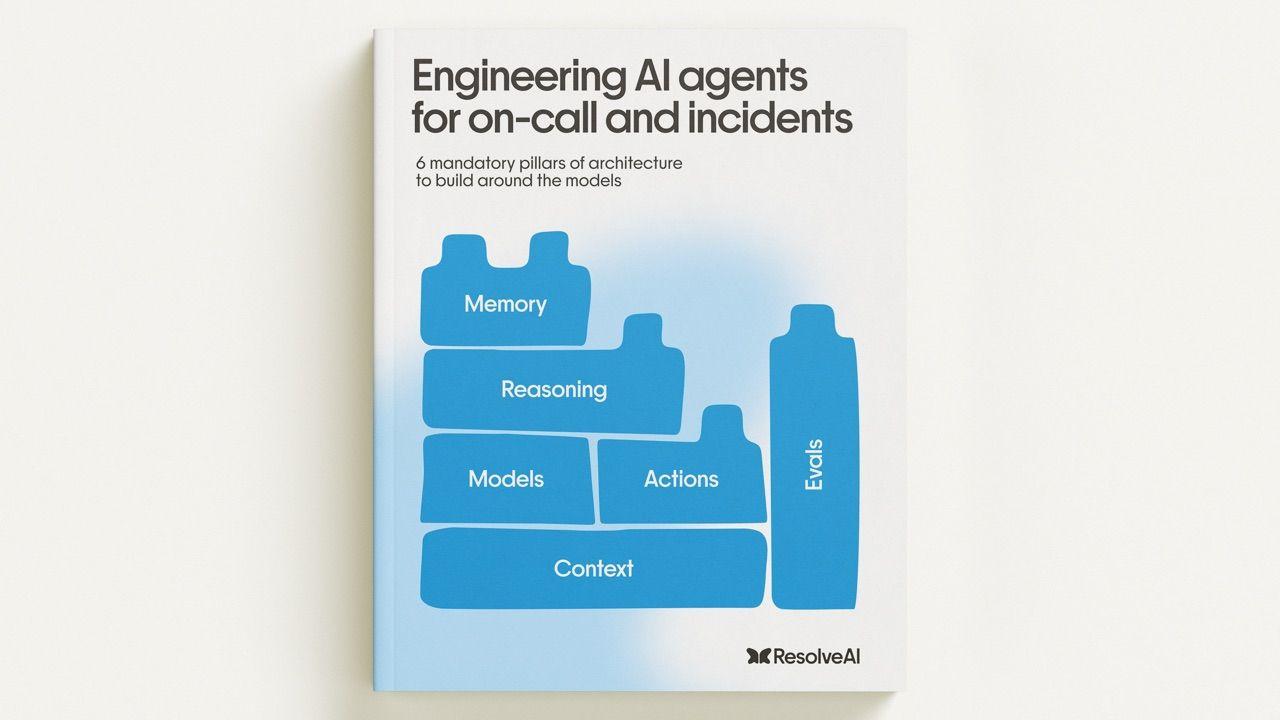
Develop orchestration, context management, memory, verification, and control systems that allow teams of agents to investigate and act reliably across complex environments over extended periods.

Develop verifier models, reward systems, and loss analysis to improve the quality of agent reasoning, evidence, and causal conclusions, while establishing benchmarks that measure performance even when clean ground truth does not exist.
The long-term shift is from AI that assists engineers with individual tasks to AI systems that can operate within defined objectives, policies, and guardrails, across teams, systems, and organizations.. As these systems become more capable, humans move from executing every step to supervising outcomes, setting boundaries, and handling the exceptions that require judgment.
AI supports investigations and other production work, while engineers remain responsible for directing the workflow and deciding what happens next.
AI takes greater ownership of operational workflows, investigating, reasoning, and proposing actions while humans approve consequential decisions.
AI systems operate continuously within defined policies and guardrails, while humans set objectives, govern boundaries, and step in for exceptions.