




Loading the page…

Machines on-call for humans

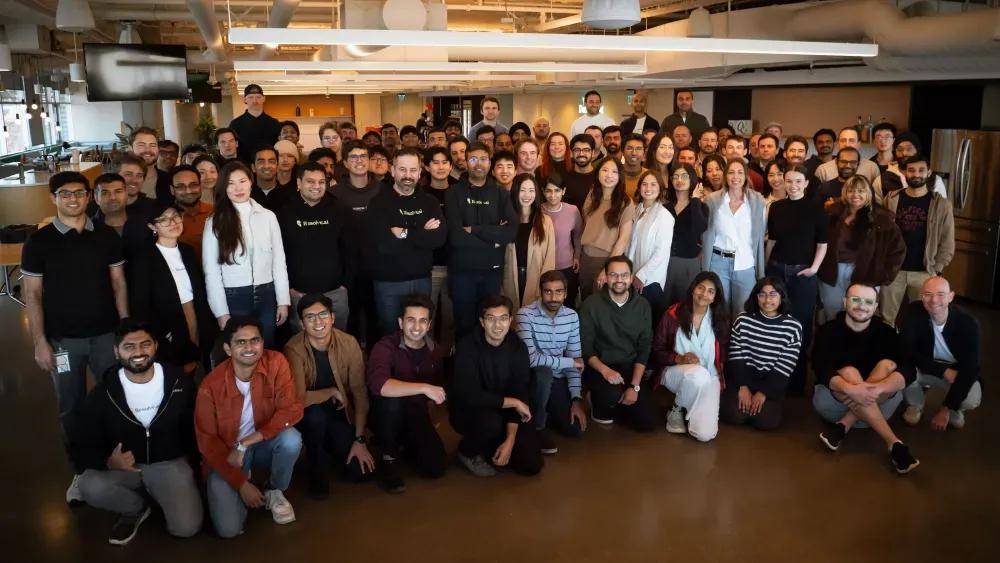
Two days at GitHub Universe was exciting with a high density of engineers at the cutting edge and in-depth conversations on everything AI in software engineering. The themes that kept coming up were around autonomous agents with goals, their guardrails, rising expectations on reliability and performance, DIY harnesses, and cost. Here is what we took away.
1. Chat windows are so 2025. Agents are now expected to take goals and complete work.
The unit of delegation has moved. A year ago it was a prompt in an editor. Now it is a shared automation that fires on an event, chains into the next one, merges the result, and charges the team's budget. Even a Slack message is treated as a trigger for agent work. Coding is the furthest along while on-call is the farthest behind. It is the one engineers most want to hand over, and the one nobody has yet.
2. Coding agents have to be right once. Production agents have to be right every time.
A coding agent can retry until the tests pass. In production there is no retry: the first wrong call reaches customers. That is why engineers trust agents to open pull requests and still do not trust them to hold the pager. More than 40% of pull requests now start with an agent, while one developer in five uses AI to run production. Steven Karis broke down this point in a session that covered four primitives needed for trustworthy production agents.
3. Everyone has a harness pointed at production. Nobody has a durable one.
Many of the engineers who stopped by have wired a coding agent to their alerts. It works for a week. Then the model changes, the context drifts, and someone owns a system that is not their product. GitHub itself needed an integrity filter, a sandbox, a firewall, safe outputs and a threat-detection pass before it would let an agent touch a repository. Production is 10x harder than a repository as it is dynamic, time bounded and has no error margin.
4. “To act or not to act” - That’s NOT the question. Autonomy is a given. Guardrails are the next hill to climb.
No session debated whether an agent should run in production. Every one of them was about scope: read by default, write through a reviewed path, spend inside a limit, approve inside a boundary. Guardrails stopped being a caveat and became the spec. An agent without a defined blast radius is one nobody will turn on.
5. Context is still key. In production, this key is live and continuously changing.
Memory, cross-repository search and connectors all shipped this week, and the better teams treat them as something to version and review like code. That is the right instinct. The difference in production is that the context does not hold still. What is running, what changed twenty minutes ago, what it broke and who is affected has to be answered at the moment of the page, not read from a file.
6. Output is a given. Quality is expected. Reliability is the new need.
With agents writing most of the code, output stopped being the constraint. Teams now assume the work gets done and judge the system on whether it is right. The next bar is already visible: software that changes this fast has to stay up. Every announcement this week carried a quality claim, and the question underneath each one was how it holds in production.
7. The budget is the new seat in every discussion. Cost per task decides what gets automated.
AI is now metered from the first request, agents and CI draw from one pool, and every automation carries a credit limit. The conversation moved from how many engineers have a license to how much each task costs. That matters more in production, because alert volume grows faster than headcount ever did.
8. The agents are shipping. On-call is still a rotation of people.
Commits are up five times in a year and more than a hundred million CI jobs run every day. Every one of those merges lands in production, and the engineers who approve them are still the ones carrying the pager. Even GitHub had to rebuild Git for the new volume. The same ceiling now sits on the people running the software. That is the gap this week left open.
That gap is the one we work on every day at ResolveAI. If you run a harness of your own, we want to hear where it holds and where it stops. More from us in November.
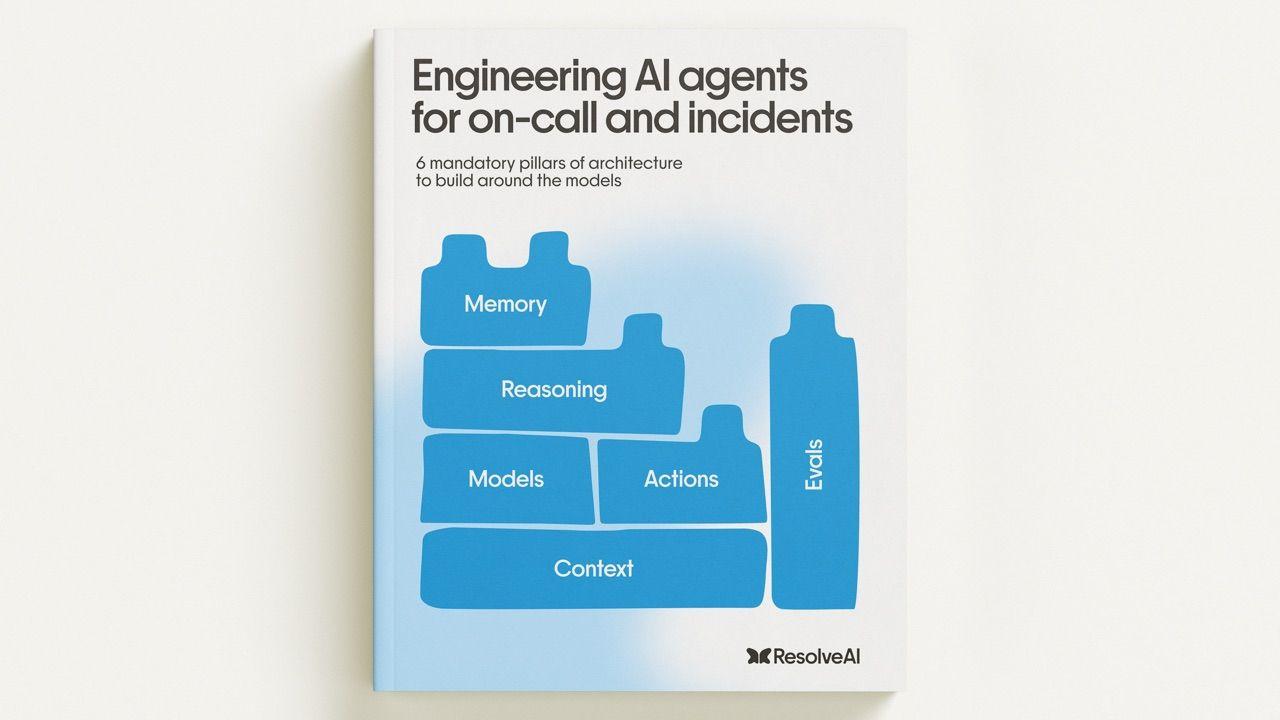
AI for prod ebook
Learn how top engineering teams use AI to run production.
See the agents that run and fix software in action
Join our engineering leads for "Behind the Build", a webinar series deep-dive into how we built agents that run software.