



Back
1 min read
Zscaler tech talk: Using AI for mission-critical production systems
Written by
 Varun KrovvidiProduct Marketing Manager
In-person meetup at Resolve AI SF HQ | Duration: 30 minutes | Originally delivered: January 29, 2026
About this session
Inefficient engineering workflows impact revenue and costs every day.
To name just a few: It takes 3 - 6 months for new engineers to onboard, changes take too long to deploy and trigger incidents, and customers report issues before engineering teams discover them. Workflow speed bumps like these also negatively impact developer velocity, wellbeing, collaboration, and effectiveness.
As a result, incident resolution takes a lot of time, people, and effort.
Zscaler wanted to change this, so they evaluated AI SREs and AI for prod solutions and then selected, implemented, and trained Resolve AI.
In this tech talk, Duncan Winn, VP of Engineering and SRE Lead at Zscaler, highlights Zscaler's use case, evaluation and implementation strategy, and outcomes using Resolve AI, including reducing investigation time by 75%.
What you'll learn:
- Why AI for prod: How the size, scope, and complexity of running production systems at Zscaler inspired them to seek a solution.
- Evaluating solutions: The criteria Zscaler's engineering teams used to evaluate AI for prod solutions.
- Zscaler's bottom line: Their guiding question - "Can it make smart engineers faster?"
- Deploying and training Resolve AI: How Zscaler's teams are working with Resolve AI today, and what they'll do next.
- Outcomes: How Zscaler reduced investigation time by 75% and pulls in 30% fewer engineers per incident.
To learn more, check out:
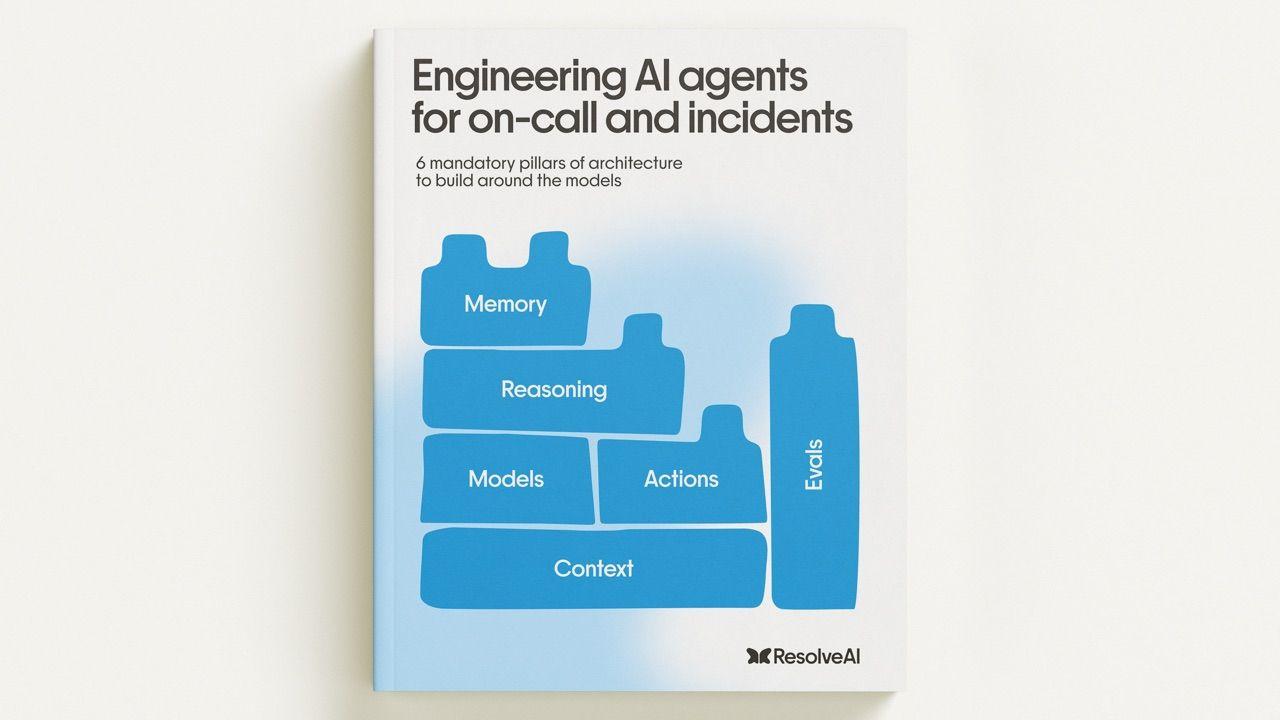
AI for prod ebook
Learn how top engineering teams use AI to run production.
See the agents that run and fix software in action
Join our engineering leads for "Behind the Build", a webinar series deep-dive into how we built agents that run software.