ResolveAI Labs

Our mission
Enable AI systems to safely and reliably operate the world's production software.
Introducing ResolveAI SRE-1
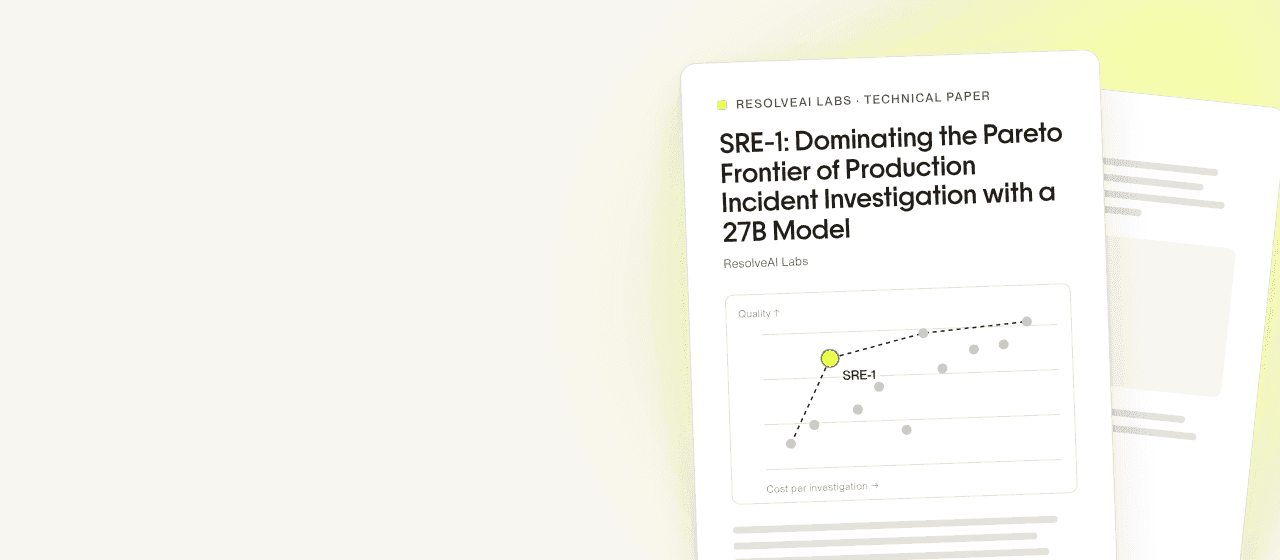
SRE-1 is a 27B model trained with reinforcement learning to find the root cause for production alerts. On 49 difficult live production cases, our configurations dominate the Pareto frontier of pass rate against cost.
Humans of the Labs
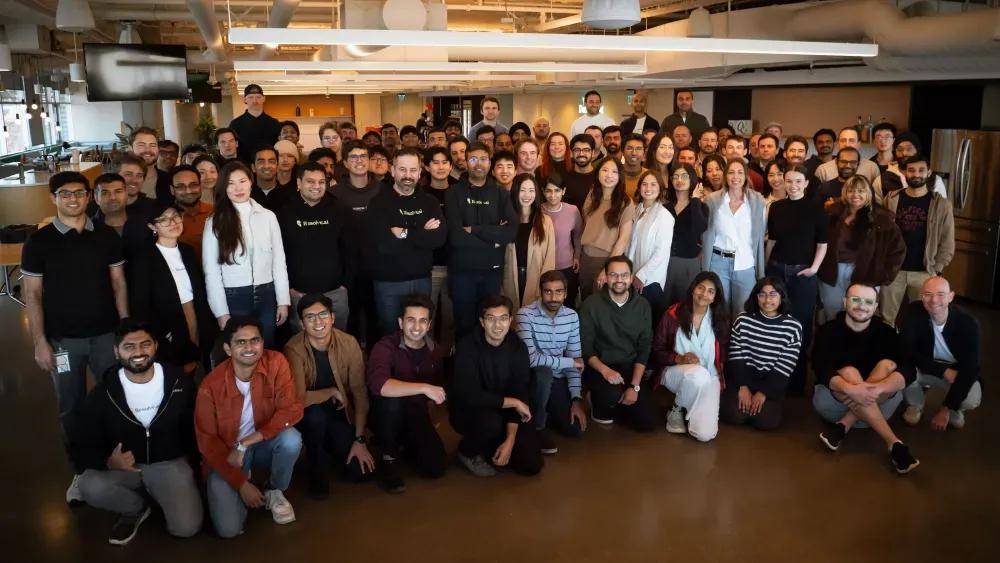
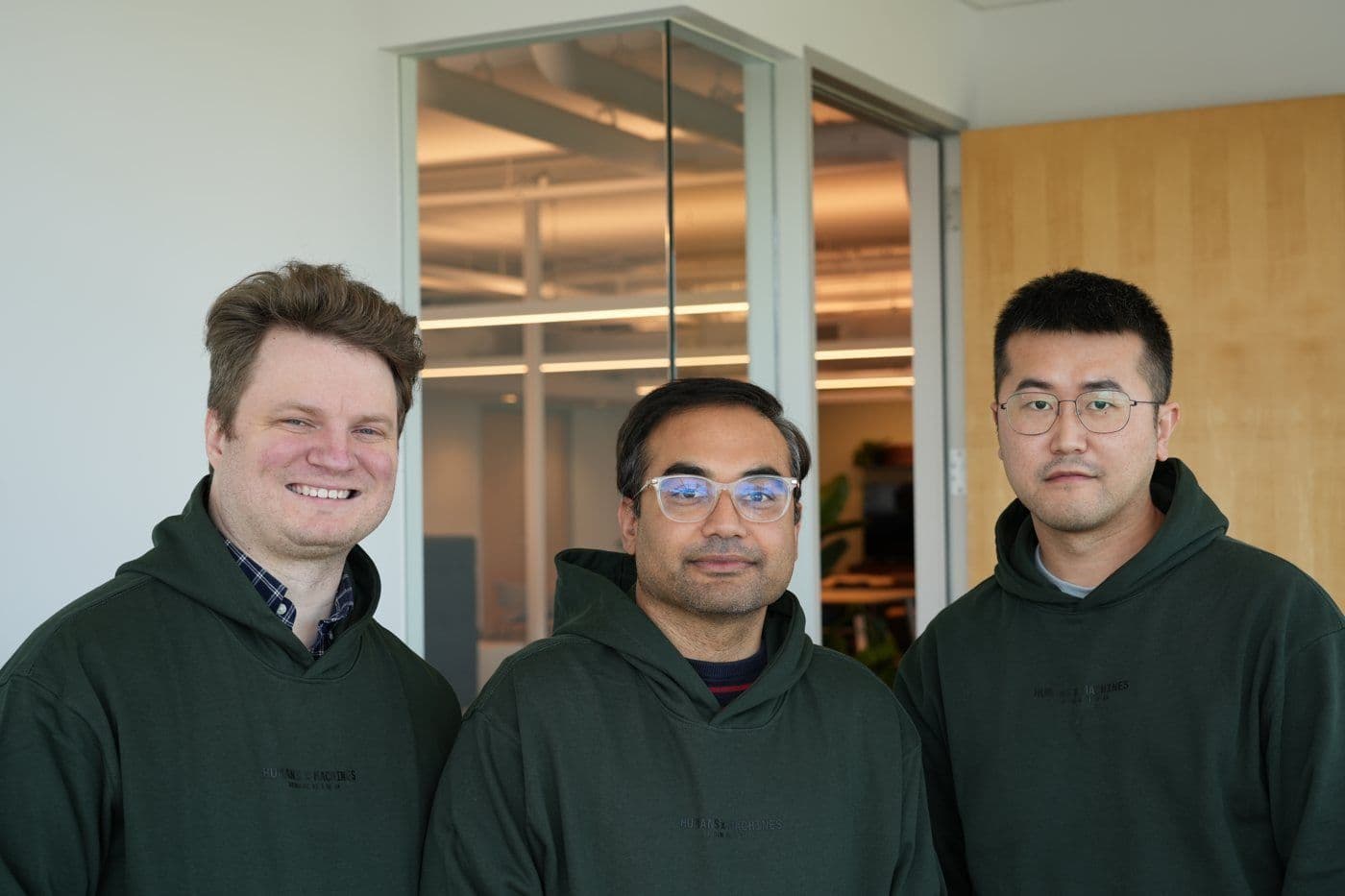
ResolveAI Labs brings together researchers from leading AI labs with engineers who have spent decades building observability, distributed systems, and production infrastructure.
Researchers
Advancing reasoning, post-training, reinforcement learning, evaluation, and agent systems.

Systems engineers
Deep expertise across observability, distributed systems, infrastructure, and production operations, including the co-creators of OpenTelemetry.
Customers
Grounding the work in the realities, constraints, and failure modes of operating software at scale.
Our research focus
The world's production software is distributed, stateful, and constantly evolving, with fragmented evidence and few clean answers. Operating it to a higher standard of reliability requires AI to reason across causality and time, investigate large environments, adapt as systems change, and take safe action with increasing autonomy.
That means sustaining context across hundreds of steps, knowing when evidence is sufficient to act, and operating reliably within defined boundaries. This requires capabilities beyond what general-purpose AI systems can provide.

Domain-specific models
Advance models for the reasoning patterns production demands, including causality, time, investigation, tool use, and verification, while improving quality, latency, and inference efficiency together.

Learning environments
Create simulated, synthetic, and replayable production environments where agents can learn and be evaluated safely at scale, including failures that are too rare, sensitive, or ephemeral to reproduce from real-world data.

Taking actions safely
We cover not only read-only investigations, but also potentially risky actions such as mitigating incidents and performing operational tasks. This requires careful understanding of production to design safe ways to mutate environments.

Evaluation and verification
Develop verifier models, reward systems, and loss analysis to improve agent reasoning, evidence, and causal conclusions, while establishing performance benchmarks without clean ground truth.
Evolving the way humans and machines work
The long-term shift is from AI that assists engineers with individual tasks to AI systems that can operate within defined objectives, policies, and guardrails, across teams, systems, and organizations.
As these systems become more capable, humans move from executing every step to supervising outcomes, setting boundaries, and handling the exceptions that require judgment.

AI-assisted
AI supports investigations and other production work, while engineers remain responsible for directing the workflow and deciding what happens next.
Human-in-the-loop
AI takes greater ownership of operational workflows, investigating, reasoning, and proposing actions while humans approve consequential decisions. This can become fully automatic as we earn trust.
Human-on-the-loop
We're working toward AI systems that operate continuously within defined policies and guardrails, while humans set objectives, govern boundaries, and step in for exceptions.