





- Topic
- Company
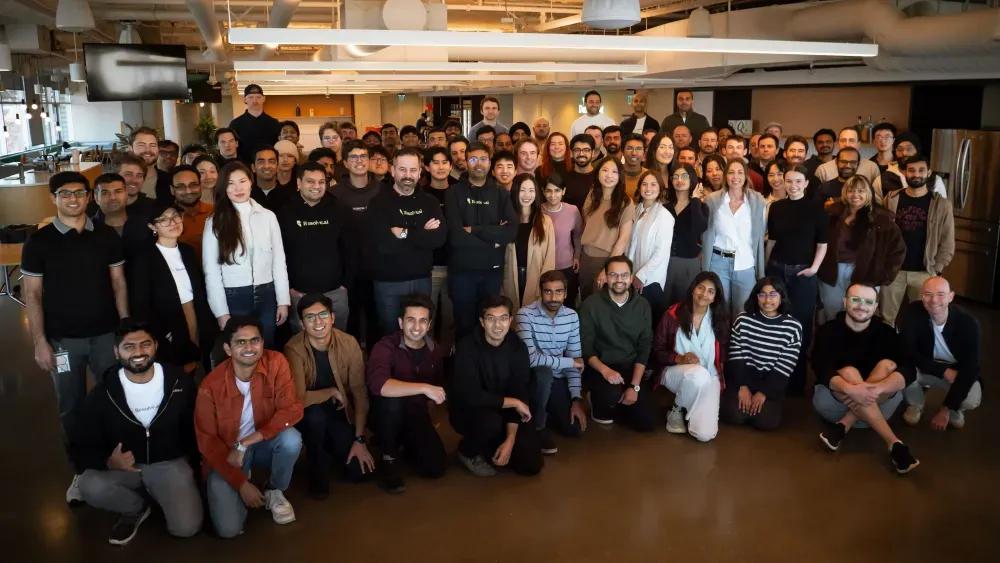
Almost 18 months after leaving Databricks, I’m stoked to announce that I have joined Resolve AI to lead marketing. I took the first six months to catch a breath after close to 6 years of intense experience of building at Databricks. Last year I spent balancing time with my son (currently a junior in high school) and advising founders at early stage companies on product-market fit. I had no intention of getting back to full-time company building until my son finished high school, but everything changed after I met Spiros and the team at Resolve AI.
I found it irresistible not to join the team at Resolve AI. Here’s why -
Mission-driven company
We believe software engineers are the DaVincis and Michelangelos of the new AI era. Our mission is to empower them to dream and create the future by eliminating the grind of software operations. While many companies are focused on solving the problem of code generation, we are dedicated to reimagining software production operations with Agentic AI
Humble and ambitious founders
Before joining Resolve AI, I spent several weeks collaborating with Spiros and Mayank on the company’s launch. I witnessed their humility in how they treated every team member, their urgency driven by a massive opportunity, and their ego-free approach to seeking expertise and learning rapidly. It's no surprise the founding team—comprising the founders, engineers, and GTM—has successfully worked together across three previous startups.
Building a category-defining company
We believe that the software operations market is a $100B opportunity waiting to be disrupted by Agentic AI. We are actively working with senior leaders of engineering (CTO’s and VP’s) across tech-natives seeing hyper growth and established Fortune 500 companies. Post launch the market demand and interest is unprecedented - nobody wants to be on-call or run operations, everybody wants to build and ship features. We believe we have an opportunity to increase developer productivity massively and fundamentally alter how software is managed in production.
Unique opportunity to be the undisputed leader
The founding team has spent decades building developer tools for engineering teams. From day one, we have worked with strategic design partners to tackle the right problems in the right way. We are backed by Greylock - it's the largest seed check they have written for any company ever. We have angel investors ranging from AI luminaries (Fei-Fei Li, Jeff Dean), industry leaders (Matt Garman, Sridhar Ranagaswamy) backing us. We have the foundation to quickly achieve product market fit and accelerate the growth of the company.
Tackling the challenge of early-stage company building
In an early-stage company, strategy and execution are inseparable—you have to nail both while staying laser-focused on the customer. Driving world-class execution means aligning relentlessly across the mission (why), strategy (what), team (who), and day-to-day operations (how) in a constantly changing world. I experienced this firsthand at Databricks - it was simultaneously the greatest joy and the most challenging work I have done. Now I’m thrilled to take on this journey at an even earlier stage with Resolve AI alongside humble, intelligent, and ambitious folks.
Looking forward to building with you all - Spiros, Mayank and Saam.
AI for prod ebook
Learn how top engineering teams use AI to run production.
See the agents that run and fix software in action
Join our engineering leads for "Behind the Build", a webinar series deep-dive into how we built agents that run software.